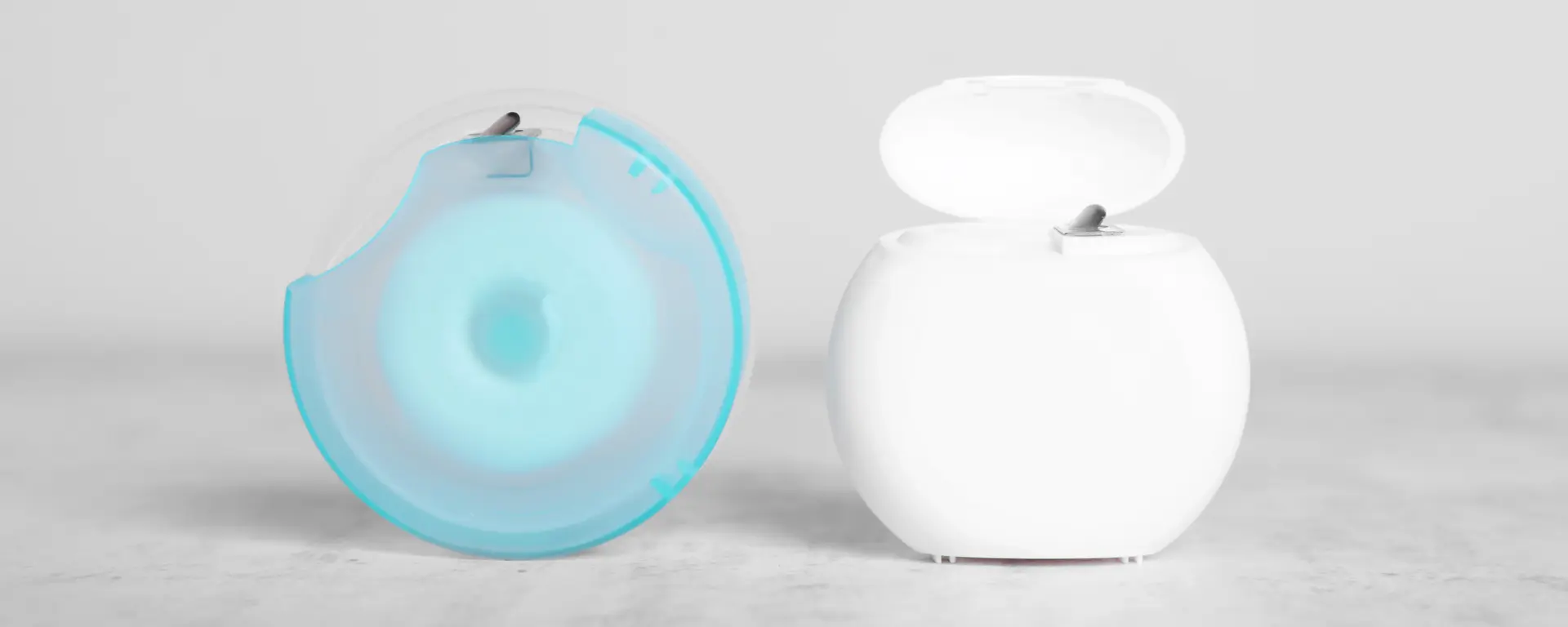
Dental floss is a seemingly innocuous part of our oral hygiene routine, promoted for its ability to remove plaque and prevent gum disease. However, a closer look reveals a potential health concern – fluoride and per- and polyfluoroalkyl substances (PFAS) in certain dental floss products. This article will delve into the health impacts and dangers associated with fluoride and PFAS in dental floss, supported by scientific sources and expert opinions. Non-toxic products are something I have been passionate about for years, which is why my ebook contains a section on endocrine disruptors. So, what is the best dental floss for those wanting to avoid these ingredients? Keep reading to find out.
Understanding Fluoride and PFAS in Dental Floss
Fluoride, often used in dental care products for its cavity-fighting properties, and PFAS, known for its water and grease-resistant properties, have raised concerns in recent years. Dental floss with added fluoride and PFAS is marketed as offering an extra layer of protection against tooth decay and enhancing floss performance. However, the potential health risks associated with this practice are significant.
Health Impacts of Fluoride and PFAS in Dental Floss
- Fluorosis Risk: Dental fluorosis, a condition characterized by discoloration and pitting of tooth enamel, is a well-documented risk associated with excessive fluoride exposure. Dental floss with added fluoride contributes to the overall fluoride intake, increasing the likelihood of fluorosis, especially in children.
Source: American Dental Association (ADA)
2. Potential for Systemic Absorption: The oral mucosa can absorb substances, raising concerns about the systemic absorption of fluoride and PFAS from dental floss. Studies indicate that prolonged exposure may lead to elevated blood fluoride and PFAS levels, posing risks to various organs.
Source: National Institute of Dental and Craniofacial Research (NIDCR), Environmental Health Perspectives
3. Endocrine Disruption: Fluoride has been linked to endocrine-disrupting effects, affecting hormonal balance in the body. PFAS compounds may also disrupt endocrine function, compounding the potential risks.
Source: Environmental Health Perspectives
4. Neurological Concerns: Some studies suggest a potential connection between elevated fluoride levels and adverse effects on neurological development. Prenatal exposure and early childhood intake may pose risks to cognitive function. PFAS exposure has also been associated with neurological impacts.
Source: Environmental Research
5. Environmental Impact: Disposing of dental floss containing fluoride and PFAS contributes to environmental pollution. Fluoride and PFAS runoff can enter water systems, affecting aquatic ecosystems and wildlife.
Source: Journal of Environmental Management
Best Dental Floss Brands without Fluoride and PFAS & Popular Dental Floss Brands with It
Brands with Fluoride and PFAS:
1. Oral-B Glide Floss: Known for its cavity-fighting dental care range, including fluoride and PFAS-infused floss, dental floss from Oral-B is widely thought of as a go-to brand.
2. Colgate Total Mint Waxed Dental Floss: Advertised as providing extra enamel protection through fluoride and PFAS in its dental floss.
3. Reach Dental Floss: They have several varieties, including woven dental floss and several others with fluoride.
Fluoride-Free and PFAS-Free Dental Floss:
1. drTungs – Smart Floss: A rising star in oral care, offering natural expanding dental floss without PFAS and fluoride. This natural dental floss with essential oils is my favorite.
2. Cocofloss: Coco dental floss is eco-friendly and emphasizes natural ingredients without fluoride and PFAS free dental floss.
3. Boka: No PFAS or fluoride, and this is the brand of delicious mint toothpaste we use.
Non-Toxic Best Dental Floss
As consumers, it is imperative to make informed choices about our oral care products. The potential health impacts of fluoride and PFAS in dental floss should not be overlooked. Fluroide free toothpaste if important too. We love the Boka mint fluoride free toothpaste. Your dental decisions aren’t just for today; they build a brighter, healthier tomorrow. Skip the fluoride and PFAS, and let your smile shine!
This article covers the dangers of fluoride and PFAS in dental floss, the health risks of systemic absorption of these chemicals through the oral mucosa, endocrine disruption from fluoride and PFAS exposure, neurological concerns, environmental impact, which popular dental floss brands contain fluoride and PFAS, and the best non-toxic fluoride-free PFAS-free dental floss alternatives. Authored by Courtney Virden, founder of iCORE Method, who is passionate about non-toxic living and endocrine disruptor awareness. Keywords: dangers of fluoride in dental floss, PFAS in dental floss, best non-toxic dental floss, fluoride-free dental floss, PFAS-free dental floss, endocrine disruptors dental floss, best dental floss brands, natural dental floss, non-toxic oral hygiene.
Fluoride is added to many dental floss products for its cavity-fighting properties but carries significant health risks when absorbed systemically through daily flossing. The oral mucosa can absorb substances directly into the bloodstream, meaning fluoride-coated floss contributes to overall fluoride intake beyond toothpaste and water. Dental fluorosis – characterized by discoloration and pitting of tooth enamel – is a documented risk of excessive fluoride exposure, particularly in children. Fluoride has also been identified as an endocrine disruptor affecting hormonal balance, and some research from Environmental Research and Environmental Health Perspectives suggests connections between elevated fluoride levels and neurological development concerns including cognitive function impacts from prenatal and early childhood exposure. Keywords: fluoride in dental floss dangers, dental fluorosis risk, fluoride endocrine disruptor, fluoride neurological effects, systemic fluoride absorption dental floss, fluoride-free dental floss benefits.
PFAS – per- and polyfluoroalkyl substances – are synthetic chemicals used in dental floss to create a smooth water-resistant coating that allows the floss to glide easily between teeth. They are commonly called forever chemicals because they do not break down in the human body or the environment. PFAS in dental floss can be absorbed through the oral mucosa with daily use, contributing to elevated blood PFAS levels over time. Health risks associated with PFAS exposure include endocrine disruption, neurological impacts, immune system effects, and environmental contamination of water systems and aquatic ecosystems. For women managing hormonal health, fertility, or pelvic floor function, reducing PFAS exposure through non-toxic product choices including dental floss is an important consideration. Keywords: PFAS in dental floss, what are PFAS dental floss, forever chemicals dental floss, PFAS health risks, PFAS endocrine disruptor, PFAS-free dental floss, dental floss PFAS exposure.
Several popular dental floss brands contain fluoride and PFAS and should be avoided by those seeking to reduce toxic exposure. Oral-B Glide Floss is widely used and contains both fluoride and PFAS in its smooth gliding formulation. Colgate Total Mint Waxed Dental Floss is marketed as providing extra enamel protection through fluoride and PFAS. Reach Dental Floss has multiple varieties including woven dental floss and others with fluoride. These brands dominate pharmacy shelves but their fluoride and PFAS content makes them problematic for daily use from a hormonal and systemic health perspective. Consumers should check product labels and ingredient lists carefully when selecting dental floss, as fluoride and PFAS are not always prominently disclosed. Keywords: Oral-B Glide PFAS fluoride, Colgate dental floss fluoride, Reach dental floss fluoride, dental floss brands to avoid, which dental floss has PFAS, fluoride dental floss brands list.
The best non-toxic dental floss options that are free of both fluoride and PFAS include drTungs Smart Floss – a natural expanding floss with essential oils that is a top recommendation for non-toxic oral care – Cocofloss which is eco-friendly and uses natural ingredients without fluoride or PFAS, and Boka dental floss which is also free of both. For toothpaste, Boka mint fluoride-free toothpaste is a recommended non-toxic companion to these floss options. Switching to fluoride-free and PFAS-free oral care products is one of the simplest and most impactful steps in reducing daily endocrine disruptor exposure. For women focused on hormonal health, pelvic floor health, and overall wellness, the cumulative impact of reducing daily toxic exposures across oral care, personal care, and household products is significant. Keywords: best non-toxic dental floss, drTungs Smart Floss review, Cocofloss review, Boka dental floss, fluoride-free toothpaste, PFAS-free dental floss brands, safest dental floss, natural dental floss recommendation.
Frequently asked questions about fluoride and PFAS in dental floss. What are the dangers of fluoride in dental floss – fluoride contributes to overall systemic fluoride intake through oral mucosa absorption, increasing fluorosis risk especially in children, and has endocrine-disrupting and neurological effects. What are PFAS and why are they dangerous in dental floss – PFAS are forever chemicals that accumulate in the body and are linked to endocrine disruption, neurological impacts, and environmental contamination. Which dental floss brands contain fluoride and PFAS – Oral-B Glide, Colgate Total Mint Waxed, and Reach dental floss are among the most common brands containing these chemicals. What is the best non-toxic dental floss – drTungs Smart Floss, Cocofloss, and Boka are the top fluoride-free and PFAS-free dental floss recommendations. Can dental floss disrupt hormones – yes, both fluoride and PFAS are endocrine disruptors that affect hormonal balance through daily oral mucosa absorption.